Aids
Things that can make daily life a little easier
Some people find that a physical aid helps them feel calmer, sleep better or feel safer outside. None of these replace treatment, but they can be a real support alongside it.
We do not sell or advertise any brand on this page. We explain what the evidence says, as honestly as we can.
Sleep and calm
Weighted blankets
A weighted blanket is heavier than a normal one, usually filled with small beads or chains. Many people describe the pressure as calming, a bit like a firm hug.
What research shows
In a Swedish study of 120 adults with insomnia and conditions such as depression, bipolar disorder, anxiety and ADHD, those who slept under a weighted blanket for four weeks slept clearly better than those with a light blanket. Daytime tiredness and anxiety also improved. PTSD was not part of that study, so we cannot promise the same result, but it is a hopeful sign.
Good to know
Choose a weight of roughly 10% of your body weight. You should always be able to move or push it off easily. Some people find the pressure unpleasant or even anxious-making; if that is you, stop. Do not use a weighted blanket for young children, and check with your doctor if you have breathing, heart or circulation problems.
A companion with a task
PTSD assistance dogs
A PTSD assistance dog is specially trained to help one person. It can for example wake someone from a nightmare, notice rising stress and interrupt it, create a little space in a crowd, or lean its weight against you during a freeze or dissociation.
What research shows
In a 2024 US study of 156 veterans, those who received a trained service dog had less severe PTSD symptoms, less depression and anxiety, and a better quality of life after three months than those still on the waiting list. It was not a fully randomised trial and the follow-up was short, but the results are encouraging.
Good to know
An assistance dog is a big commitment: years of care, costs and often a long waiting list. Look for organisations accredited by Assistance Dogs International or a recognised national body. An emotional support animal or a family pet can bring comfort too, but has not been trained for these tasks and usually does not have the same legal rights in shops and public transport.
Less overload
Noise reduction and small sensory aids
Headphones and earplugs
Noise-cancelling headphones or earplugs that soften sound can make busy places like supermarkets, stations and family gatherings more manageable. Try not to use them all the time; slowly getting used to everyday sounds again is part of recovery too.
Something to hold
A small object in your pocket, like a smooth stone or a textured ring, can be a quiet anchor: something to touch and focus on when your mind starts to race.
In development · part of DPSE
Steady Ground glasses
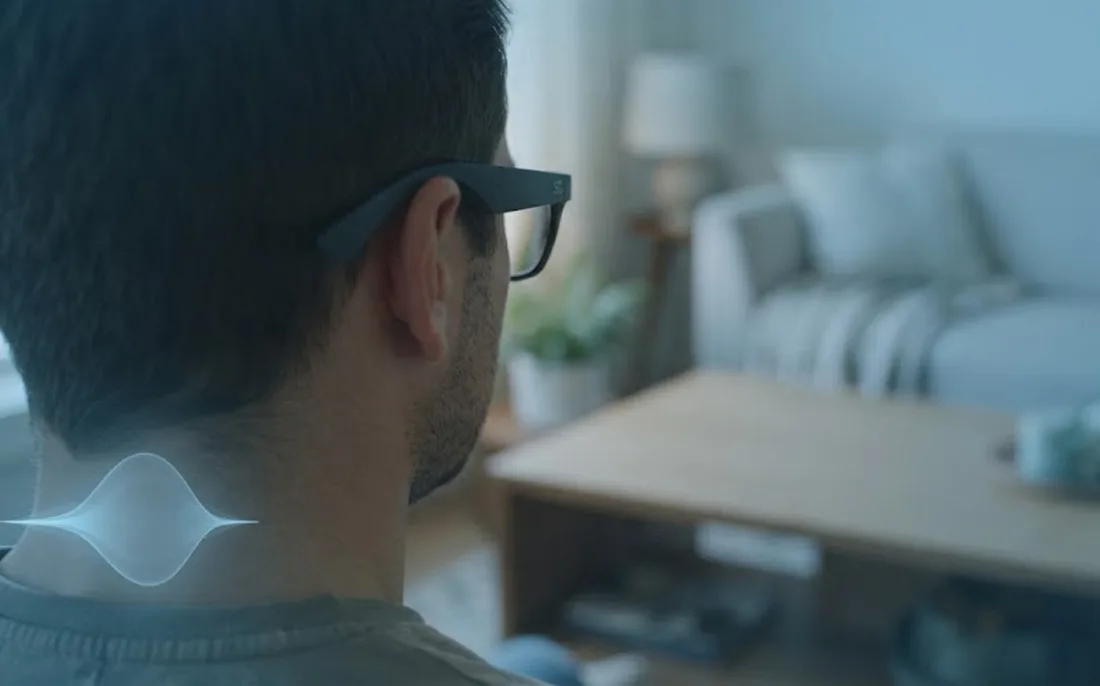
We are working on hands-free support for hard moments: glasses with small built-in speakers, so that with a tap on the frame you hear a calm voice that guides your breathing and helps you come back to the here and now. A version with a small display could show a slow breathing circle.
The glasses should suit everyone: we're planning several frame shapes and sizes, from narrower and lighter to wider and sturdier, with room for prescription or tinted lenses.
This is still in development and not for sale. We will only offer it once it has been tested with people who have lived experience, and we will be honest about what it can and cannot do. It will be a support tool, not a treatment.